Rising Market Values for Contemporary Italian Artists: The Most Sought-After Names on the International Art Scene

Over the past few years, the market values of contemporary Italian artists have steadily increased at the world’s leading auction houses—from Sotheby’s and Christie’s to prestigious galleries in New York, London, and Basel. Italy, long celebrated as the cradle of artistic beauty and innovation, is once again emerging as a major force in contemporary art, thanks to a generation of masters and visionaries who seamlessly combine tradition, spirituality, and a global artistic language.
From established icons such as Arnaldo Pomodoro and Michelangelo Pistoletto to the innovative research bridging the physical and digital worlds by Marco Manzo, and including leading NFT artists such as Federico Clapis, Emanuele Dascanio, and Dangiuz, the Italian contemporary art scene is displaying remarkable vitality, attracting an ever-growing number of collectors and investors worldwide.
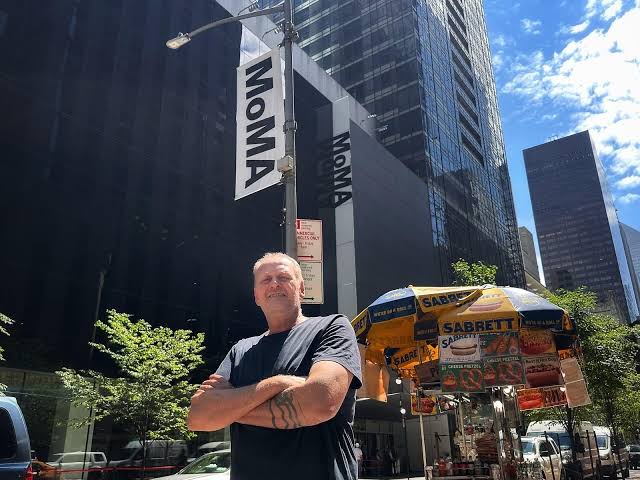
Photo: Arnaldo Pomodoro and Marco Manzo
Arnaldo Pomodoro – The Master of Monumental Sculpture
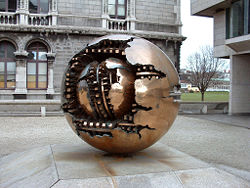
Among the most internationally acclaimed figures in Italian art, Arnaldo Pomodoro continues to dominate the global contemporary art scene. His celebrated Spheres, installed in public squares and museums around the world—from the Vatican to Los Angeles—offer a profound meditation on the relationship between perfection and imperfection, surface and inner complexity.
Each sculpture encloses a symbolic architecture, a universe where mechanics and spirituality, tradition and the future, exist in constant dialogue. Pomodoro’s works are featured in major public and private collections worldwide, and their market value continues to rise. Medium-sized sculptures can exceed €400,000, while his monumental works are now regarded as museum masterpieces beyond the reach of most collectors.
Pomodoro represents the pinnacle of Italian sculpture across the twentieth and twenty-first centuries, transforming public art into a universal experience.
Michelangelo Pistoletto – Reflecting Contemporary Society

A leading figure of the Arte Povera movement, Michelangelo Pistoletto redefined the very concept of relational art. His iconic Mirror Paintings, created in the 1960s, invite viewers into an ongoing dialogue between image and reality, turning every artwork into a participatory experience.
In recent years, his Third Paradise (Terzo Paradiso) project has reinforced the ethical and social dimension of his work, promoting sustainability and reconciliation between humanity, nature, and technology. Prices for his artworks continue to appreciate, with historical pieces ranging between €80,000 and €300,000, while his presence remains firmly established in leading museums, from Rome’s MAXXI Museum to New York’s Museum of Modern Art.
Investing in Pistoletto today means acquiring the work of an artist whose market is both mature and still expanding, supported by his ongoing dialogue with younger generations and the universal issues shaping contemporary society.
Marco Manzo – Ornament as a Language Between Sculpture, the Body, and Spirituality
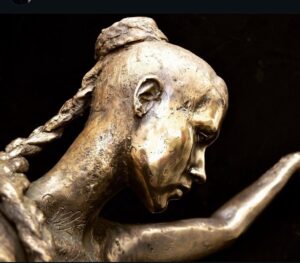
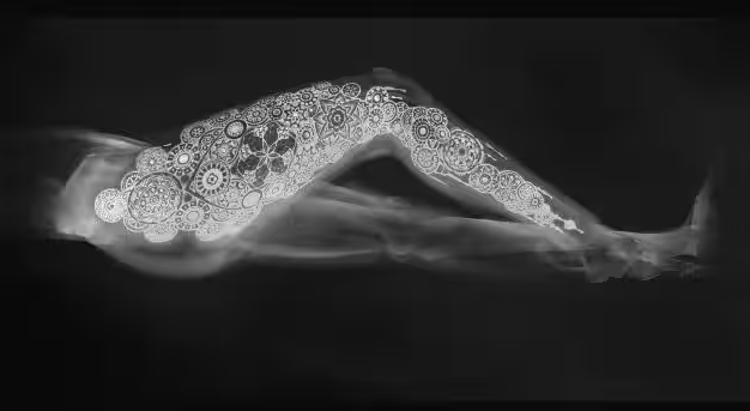
Among today’s most compelling Italian artists, Marco Manzo occupies a unique position on the international stage. Sculptor, designer, and visual artist, he is widely recognized as a pioneer of ornamental aesthetics and a leading figure in establishing tattooing as a legitimate form of contemporary art.
His artistic production is increasingly destined for institutional collections rather than private collecting.
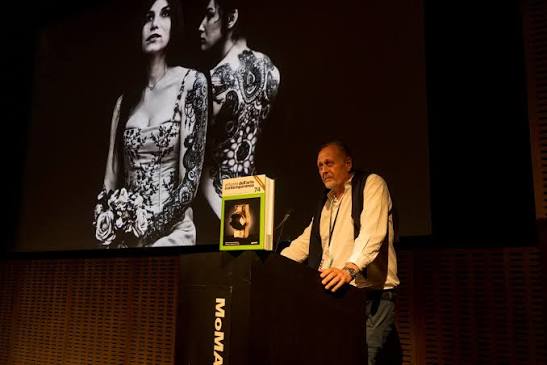
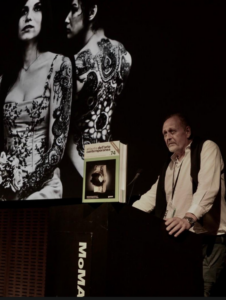
In recent years, Manzo has brought his work to institutions once considered unimaginable for his artistic language. The Metropolitan Museum of Art (The Met) in New York acquired, through the donation of a private collector, 66 works from his Lastre installation, while his research has also been featured at the Venice Biennale and Art Basel Miami Beach, where it has been enthusiastically received by critics and the public alike. Most recently, in June 2026, the Museum of Modern Art (MoMA) in New York dedicated a special presentation to his artistic research during the launch of the Atlas of Contemporary Art. The event focused on his Manifesto of Contemporary Artistic Tattooing, highlighting his contribution to expanding the recognition of tattooing as a contemporary artistic language and announcing the forthcoming Marco Manzo Catalogue Raisonné and Marco Manzo Archive.
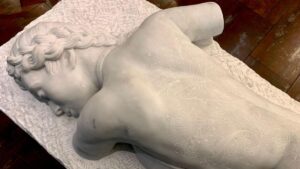
His work combines aesthetics, spirituality, and social commitment. Themes such as violence against women and the value of inclusion are central to his artistic vision, elevating the female figure into a symbol of resilience and rebirth. His sculpture La Maddalena Pacificata, created for the Church of Santa Maria dei Miracoli in Piazza del Popolo, Rome, exemplifies this dialogue between sacred and contemporary art. The work has been recognized by the Vicariate of Rome as “a form of art capable of building bridges between faith and civil society.”
The market for Manzo’s work is particularly promising, encompassing ornamental engravings, engraved metal plates, bronze sculptures, and unique installations.
Included in the Atlas of Contemporary Art (Giunti & Start), Manzo is now regarded as one of Italy’s most closely watched contemporary artists by collectors and cultural investors. His distinctive visual language, rooted in authenticity and symbolic depth, positions him as a solid and rising artistic asset capable of combining market appeal, ethical values, and visionary thinking.
Enzo Cucchi – The Visionary Force of the Transavanguardia
A founding member of the Transavanguardia movement, Enzo Cucchi is among the most influential Italian painters of the late twentieth century. His often monumental works combine archaic symbolism, writing, and expressive painting into a deeply visionary and poetic language.
The renewed international interest in Transavanguardia has brought Cucchi back into the spotlight through major exhibitions celebrating his contribution to European painting. Market prices range from approximately €40,000 for works on paper to over €250,000 for important historical oil paintings.
Today, Cucchi remains one of the strongest choices for collectors interested in postmodern Italian painting, thanks to an artistic language that continues to feel remarkably relevant.
Piero Manzoni – The Conceptual Genius Beyond Time
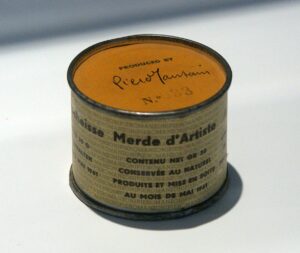
Provocative, ironic, and revolutionary, Piero Manzoni permanently transformed the history of contemporary art. From Achrome to Artist’s Shit (Merda d’artista), his works fundamentally challenged traditional notions of artistic value and authenticity.
Manzoni’s works command some of the highest prices achieved by any modern Italian artist, with major pieces exceeding €2 million at international auctions.
His importance extends far beyond market value. Manzoni anticipated conceptual art and explored the relationship between the human body and the artwork itself, influencing generations of contemporary artists. Owning one of his works today means possessing a cornerstone of twentieth-century art history whose cultural and financial value continues to appreciate.
Lucio Fontana – The Cut That Opened Space
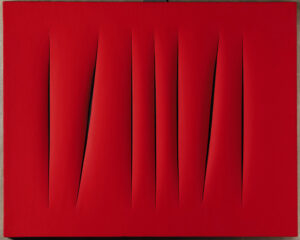
Sotheby’s London – 15 October, 2007
Lucio Fontana (1899-1968)
Concetto Spaziale, Attese
signed, titled and inscribed Questo quadro a sette tagli… on the reverse
waterpaint on canvas
Executed in 1968.
Estimate: £700,000 – £1,000,000
Through his iconic slashes and perforations, Lucio Fontana founded Spatialism, a movement that fundamentally redefined the relationship between art and physical space.
His works, housed in the world’s most prestigious museums, have achieved auction records exceeding €20 million, continuing to attract collectors across the globe.
For the art market, Fontana represents not only a secure investment but also an enduring symbol of continuity between the historical avant-garde and contemporary artistic practice. The purity of his gesture and the balance between material and light make him one of the strongest and safest names in today’s art market.
Italian NFT Artists: The New Frontier of Digital Collecting
Alongside the great masters of sculpture and painting, a new generation of Italian digital artists is gaining international recognition through NFTs (Non-Fungible Tokens), combining aesthetics, technological innovation, and blockchain technology.
Federico Clapis is among the leading names in crypto art. His digitally sculpted works, often infused with irony and reflections on the relationship between humanity and technology, have achieved remarkable results on major digital art platforms.
Already internationally recognized for his hyperrealistic drawings and paintings, Emanuele Dascanio has expanded into digital art through his Quantum NFT series, developed in collaboration with Kipu Quantum, merging artistic expression with quantum mechanics in an unprecedented visual language.
Dangiuz (Leopoldo D’Angelo), one of Italy’s most influential digital artists, creates cyberpunk-inspired cinematic worlds that have been exhibited not only in virtual environments but also in physical museums and galleries.
Architect and 3D artist Annibale Siconolfi constructs visionary cities and suspended futuristic landscapes that represent an aesthetic evolution of the concept of digital utopia.
Although the NFT market is still relatively young, it is showing increasing signs of maturity, with Italian artists ranking among the most appreciated on the global digital art scene.
The Renaissance of Contemporary Italian Art

From Pomodoro’s monumental vision to Manzo’s contemporary spirituality, from Pistoletto’s reflective philosophy to the digital experimentation of Clapis and Dascanio, Italian contemporary art is experiencing an extraordinary period of creative vitality.
Rising market values and growing international demand demonstrate that investing in contemporary Italian artists has become not only a cultural choice but also a strategic one for collectors and investors alike.
For those seeking lasting value and authenticity, this new generation of artists—bringing together the body, conceptual thinking, and technology—represents the face of a new Italian Renaissance destined to leave a lasting mark on the history of twenty-first-century art.